TRX from a phone wallet: sending a small amount without losing it
A phone wallet makes a small transfer easy and a small mistake cheap to make. The screen is narrow, the address is long and a button labelled Max is one tap away.
The checks below are the ones that matter for a TRX deposit made from a phone. None of them depends on a particular operator or wallet.
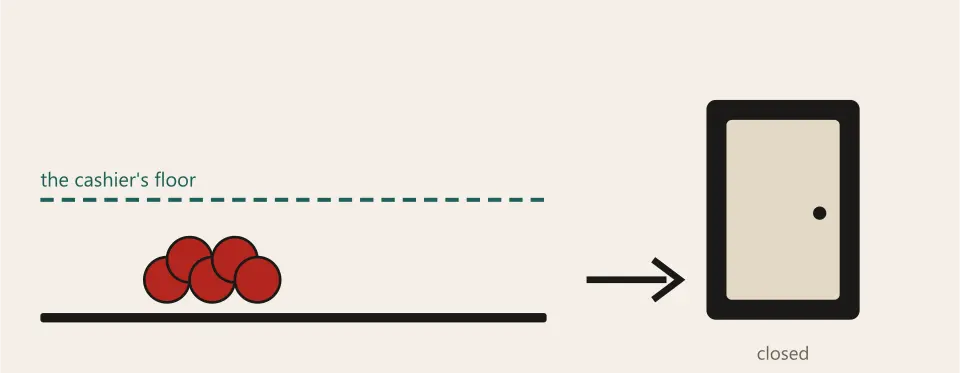
What should be checked before tapping send?
The coin: TRX and not a token with a similar name. The network: Tron, and for a token, the TRC-20 label. The address: it should be the one the cashier showed a moment ago and begin with the capital T that Tron addresses begin with; Cloudbet's own settings describe the pattern as a T or an S followed by thirty-three characters. The amount: above the highest floor you have seen for that operator, with a margin.
Why is the Max button a risk for a small balance?
A wallet that fills in the whole balance leaves nothing for the network charge. On Tron a plain TRX transfer draws on bandwidth first and burns coins from the balance when none is left, so a send of everything can be refused, or leave the receiver with less than the floor. Sportsbet.io says outright that its floors are counted after network fees. Typing an amount a little under the balance is safer than tapping Max.
How should an address be copied on a small screen?
Copy it from the cashier, paste it into the wallet, and compare the first five and last five characters on both screens before confirming. A scanned code is as good as a pasted one if the first and last characters match what is on the cashier. An address typed by hand from memory is the weakest of the three, and an address kept in a note from an earlier day is no better: use the one the cashier is showing today.
What if a deposit seems to have disappeared?
Open the transaction in a Tron explorer and read its status, amount and destination. Roobet's article names Tronscan for this, as do Cloudbet's and Duelbits' pages for their own routes. If the chain shows the transfer confirmed and the balance does not move, the likely cause is the floor, the coin or the network, and the next step is a written message to support with the transaction hash. Our troubleshooting note sets out what to send.
Short answers for phone senders
Does a phone wallet change the floor?
No. The floor is the cashier's, whatever device sends.
Is scanning a code safer than pasting an address?
Both are fine if the first and last characters match the cashier's. Typing from memory is the weak option.
Why not send the whole balance?
Because the network charge comes out of the same wallet and a send of everything can fail or arrive short.